
Permits & unpermitted additions
Buying a house with unpermitted work in Seattle and the Eastside: how to check permits and price the risk.
Older Seattle and Eastside homes often carry a converted garage, a finished basement or an added bathroom that never had a final inspection. Unpermitted work is not automatically a deal-breaker, but it changes insurance, appraisal, resale and sometimes the legal use of the space. This hub shows how to look up permit history and how to decide what the work is worth.
Quick answer
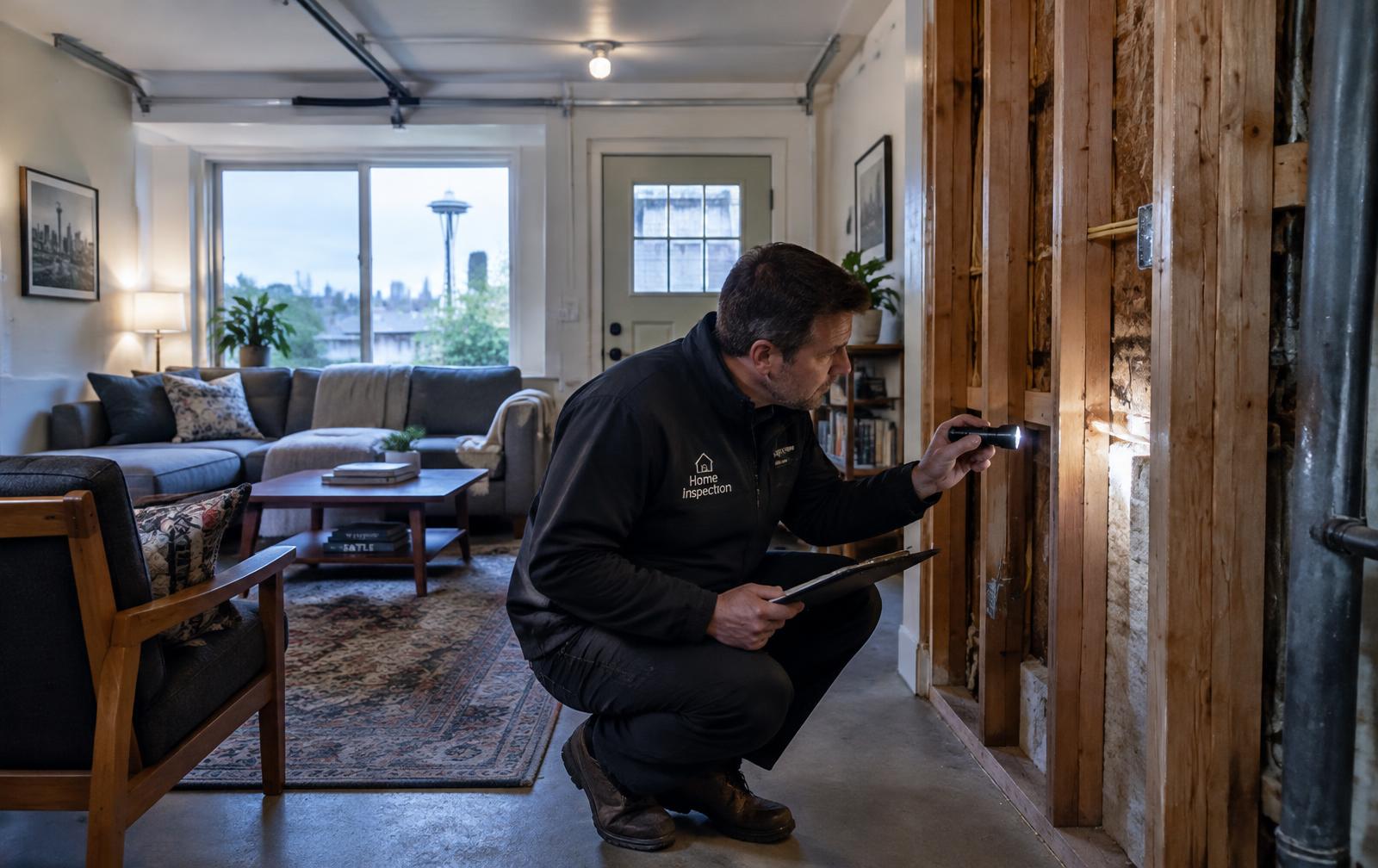
Check permit history before your inspection deadline: Seattle permits are searchable on the Seattle Services Portal (SDCI), Bellevue, Kirkland, Redmond and other Eastside cities use the MyBuildingPermit portal, and unincorporated areas use King County permitting. Compare what you find with the county assessor's square footage and the seller's Form 17 answers about remodels. If work lacks a permit or final inspection, ask a licensed contractor what legalizing would require, get it priced, and negotiate price or a credit — or walk away within your inspection contingency if structural, electrical or life-safety work is involved.
SDCI
Seattle Department of Construction & Inspections — permit records for Seattle addresses
1 portal
MyBuildingPermit — the shared permit search used by Bellevue, Kirkland, Redmond and other Eastside cities
Form 17
Washington seller disclosure asks about additions and remodels and whether permits were obtained
Questions this hub answers
- buying a house with unpermitted work
- unpermitted addition
- how to check permits on a house
- unpermitted work disclosure
- seattle permit lookup
- unpermitted basement apartment
- renovation red flags older home
How to check and price unpermitted work
- 01
Pull the permit history
Search the address on the city's portal (SDCI for Seattle, MyBuildingPermit for most Eastside cities, King County for unincorporated land). Note open permits without a final inspection.
- 02
Compare square footage
If the listing shows more finished space or bedrooms than the King County assessor record, ask why. Converted garages and basements often explain the gap.
- 03
Read Form 17 closely
Compare the seller's answers on remodels and permits with what you see. Ask follow-up questions in writing during your inspection period.
- 04
Inspect with the right specialists
A general inspector flags issues; electrical, structural or sewer specialists tell you what is unsafe. Life-safety items (wiring, egress windows, smoke/CO alarms) matter most.
- 05
Price legalization
Ask a licensed contractor what permitting after the fact would involve — opening walls, upgrades, fees — and get a written estimate.
- 06
Negotiate or walk
Use the estimate to negotiate price or a credit, or terminate under the inspection contingency. Also check how your insurer and lender treat the space.
Common unpermitted work and how much it matters
| Type of work | Typical risk | What to check | Usual response |
|---|---|---|---|
| Cosmetic remodel (cabinets, flooring) | Low | Usually no permit needed | Proceed |
| Added bathroom or kitchen | Medium | Plumbing, venting, electrical | Specialist inspection, price fixes |
| Garage or basement conversion | Medium–high | Egress, ceiling height, electrical, legal use | Price legalization or exclude from value |
| Structural changes (removed walls, additions) | High | Engineering, framing, foundation | Engineer review; negotiate or walk |
| Rented basement unit without permit | High | Legal use, tenant rules, insurance | Do not count rent until legalized |

Checklist
Permit due-diligence checklist
- Permit history pulled from the correct city or county portal.
- Open permits without final inspection listed.
- Assessor square footage and bedroom count compared with listing.
- Form 17 remodel and permit answers reviewed.
- Specialist inspections for electrical, structural and sewer where relevant.
- Written estimate to legalize or correct the work.
- Insurer and lender asked how they treat the space.
- Price, credit or termination decided before the contingency deadline.
Unpermitted work FAQ
How do I check permits on a house in Seattle?
Search the address on the Seattle Services Portal run by SDCI. Most Eastside cities, including Bellevue, Kirkland and Redmond, use MyBuildingPermit; unincorporated King County uses county permitting.
Is it bad to buy a house with unpermitted work?
Not always. Cosmetic work is usually fine. Structural, electrical and converted living spaces carry more risk for safety, insurance and resale. Price the fix before you decide.
Does the seller have to disclose unpermitted work?
Washington's Form 17 asks about additions and remodels and whether required permits and inspections were obtained. Sellers should answer what they know; buyers should still verify.
Can I count rent from an unpermitted basement unit?
Treat that income as unreliable until the unit is legal. Lenders and appraisers may not count it, and legal use rules affect what you can do.
Related guides
Other topic guides

Family transfers
Gift of equity and selling a home to a family member in Washington.

Title & closing
Selling a house with a lien in Bellevue and Greater Seattle.
Land value
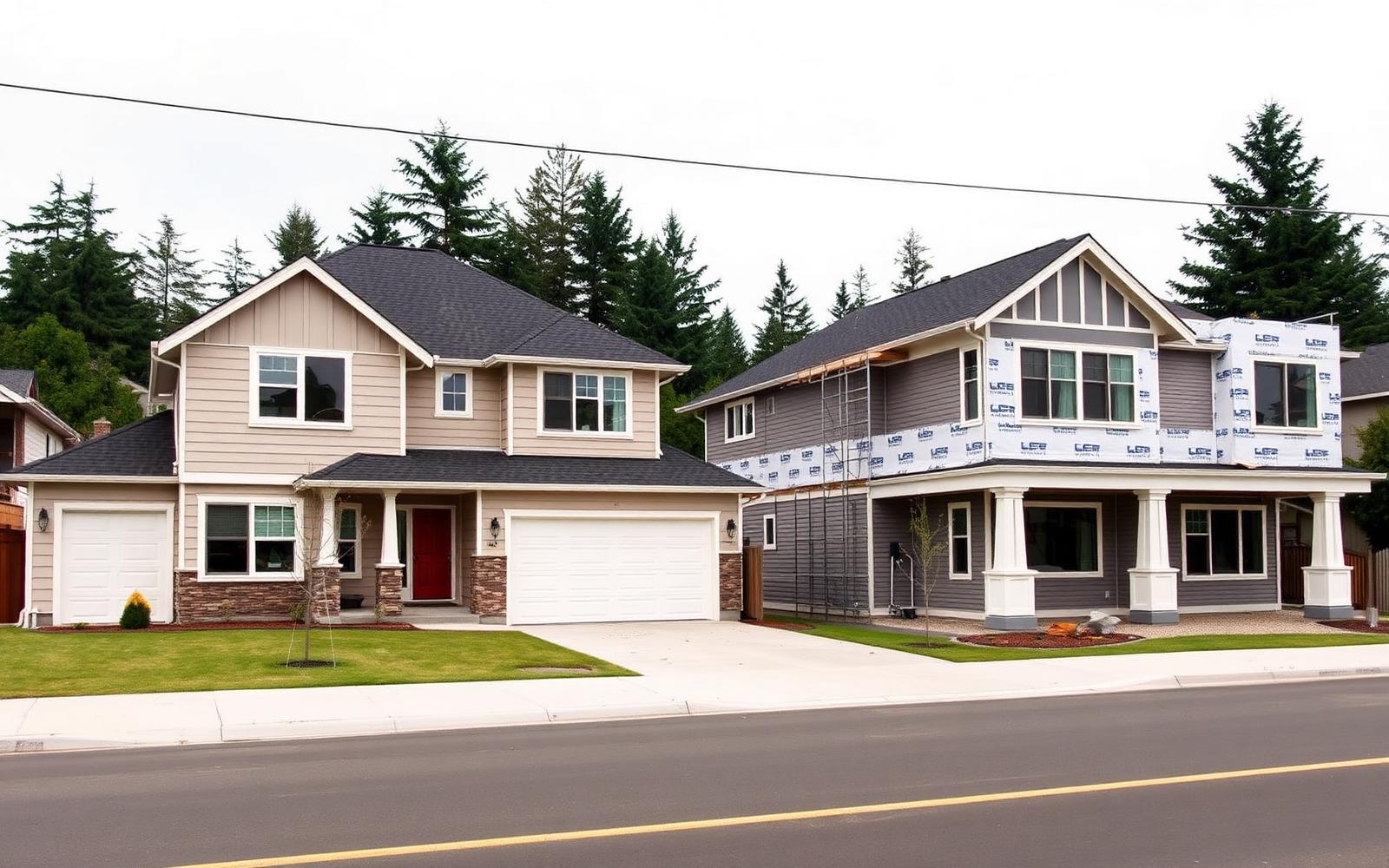
Selling an older Eastside home to a builder: land value vs. retail sale.

Visa & foreign buyers
Buying a home in Bellevue as a foreign national or visa holder.

Tech relocation
Moving to Bellevue for a tech job: rent first or buy now?

Schools & addresses
Buying by school assignment in the Bellevue School District.

Waterfront & unique homes
How to price a waterfront or one-of-a-kind home.

Listing problems
How to cancel a listing agreement and change agents.

Building & financing
Construction loans for self-employed and small business owners.

Land & lot value
Should you split a double lot before selling it?

Water & site risk
Flood zone, creek and drainage checks before you buy.

Landlords & investors
Selling a rental property to your current tenant.

Choosing an agent
How to choose a real estate agent in Seattle and on the Eastside.

Interview & review
Questions to ask before hiring — and how to tell if your agent is doing a good job.
Fees & commission
Who pays realtor fees in Washington — and what an agent actually keeps.
First-time buyers
Buying your first home in Washington State — including without a US credit history.

Home value
How to get an accurate home value estimate in Bellevue, Redmond and West Bellevue.
Investment property
Buying an investment property on the Eastside: returns, rules and the numbers to run.

Listing presentation
Staging and listing photos: virtual staging, AI edits and what buyers trust.
Stalled listings
Your house is not selling: what to change, and whether to pause the listing.

Seller options
Instant cash offer vs listing your home: how to compare them properly.
Due diligence
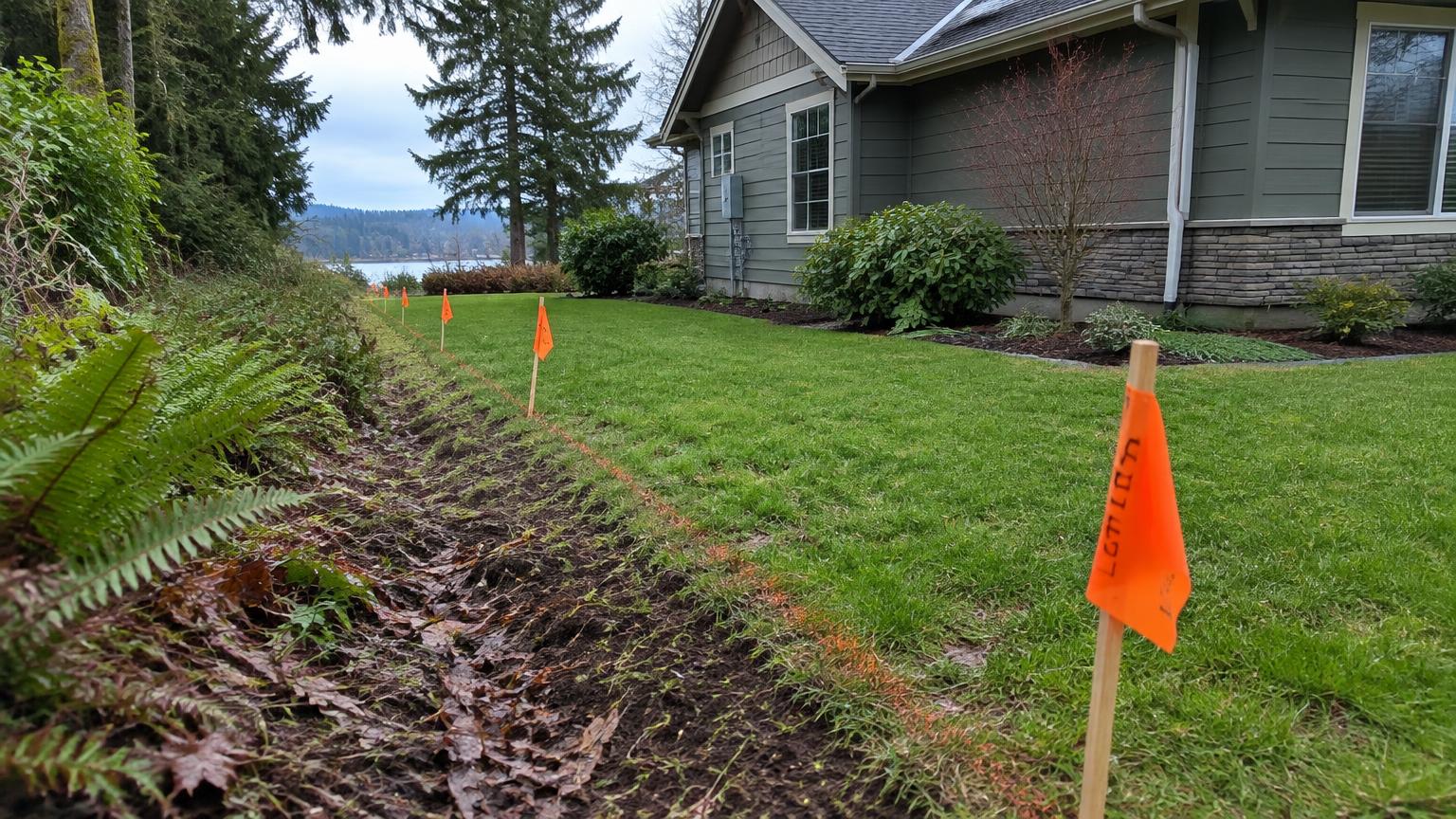
Easements, shared driveways and recorded restrictions: check before you buy.
Buyer strategy
Competing with all-cash offers as a financed buyer on the Eastside.

List price strategy
Pricing below market, offer review dates and how many showings to expect.

Offers and negotiation
What counts as a low-ball offer — and how to counter without losing the deal.
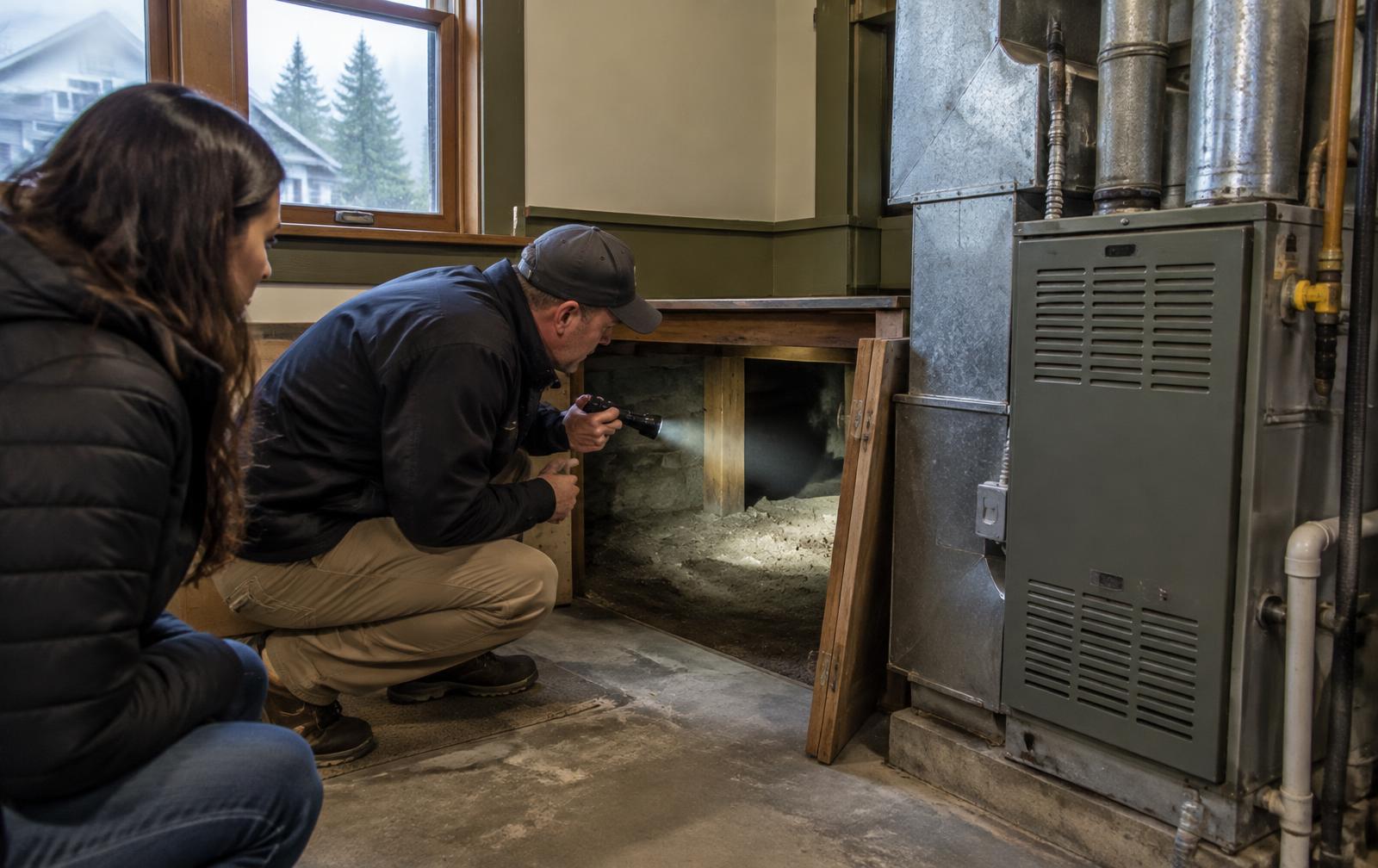
Inspection negotiation
Home inspection negotiation in Washington: repair requests, credits and difficult sellers.
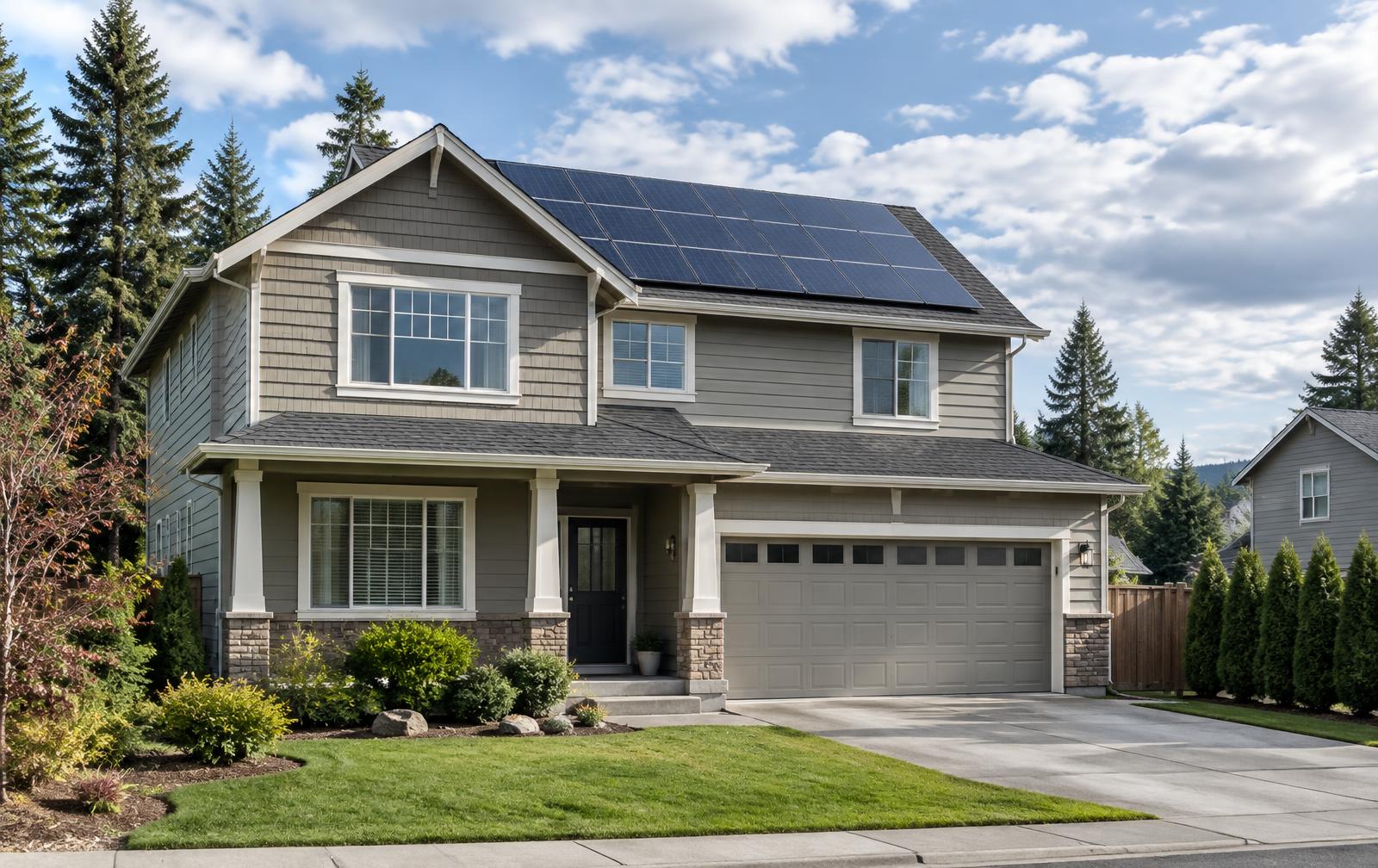
Solar homes
Buying a house with solar panels: owned vs leased, transfers and price drops.

Selling while living there
Selling a house while living in it: showings, kids, pets and the stress of selling.

Buying and selling at the same time
Home sale contingencies in Washington: buying a house contingent on selling yours.

Contract cancellation
Can you back out of buying a house before closing in Washington?
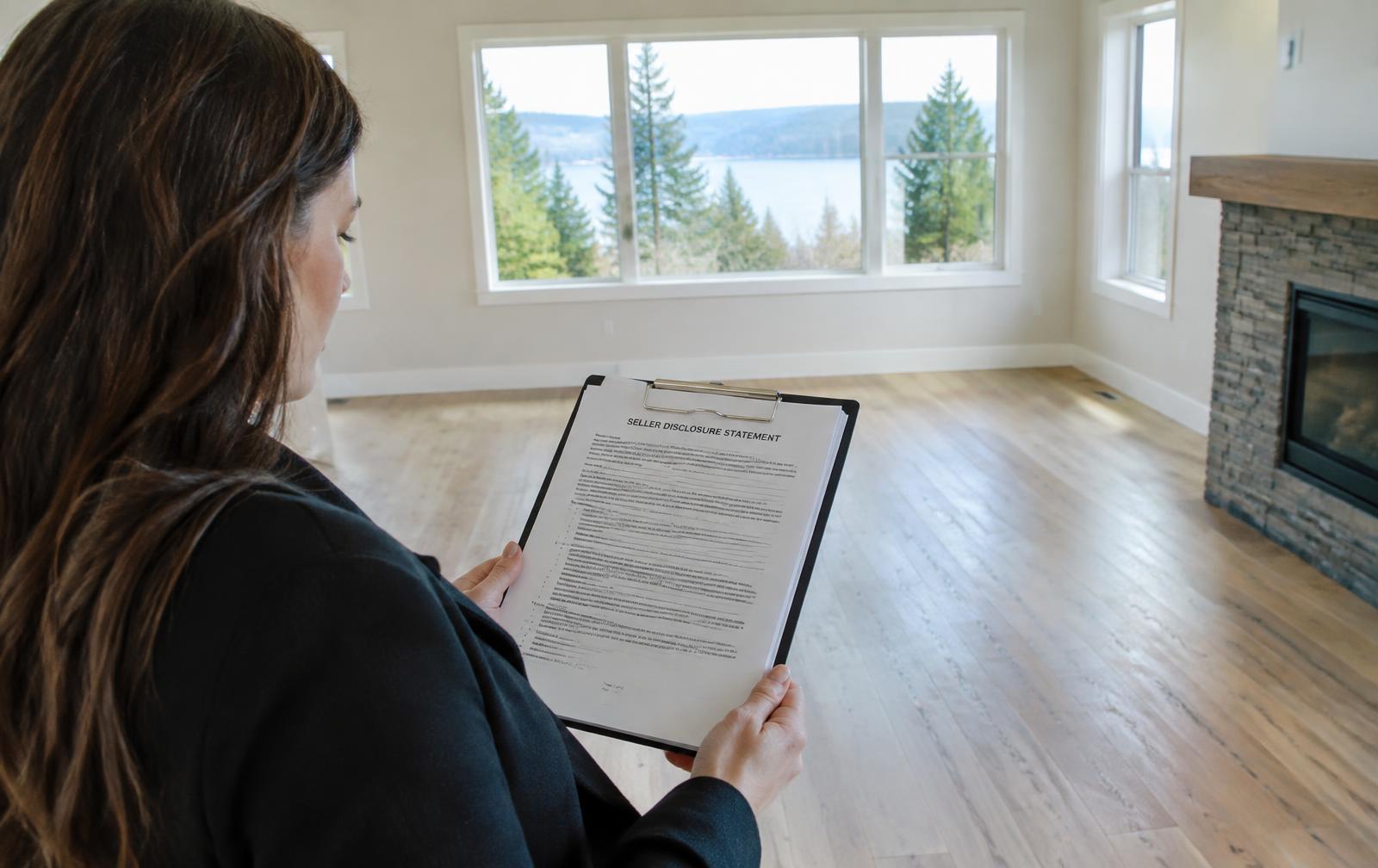
Seller disclosure
Washington's Form 17 seller disclosure: what buyers and sellers need to know.
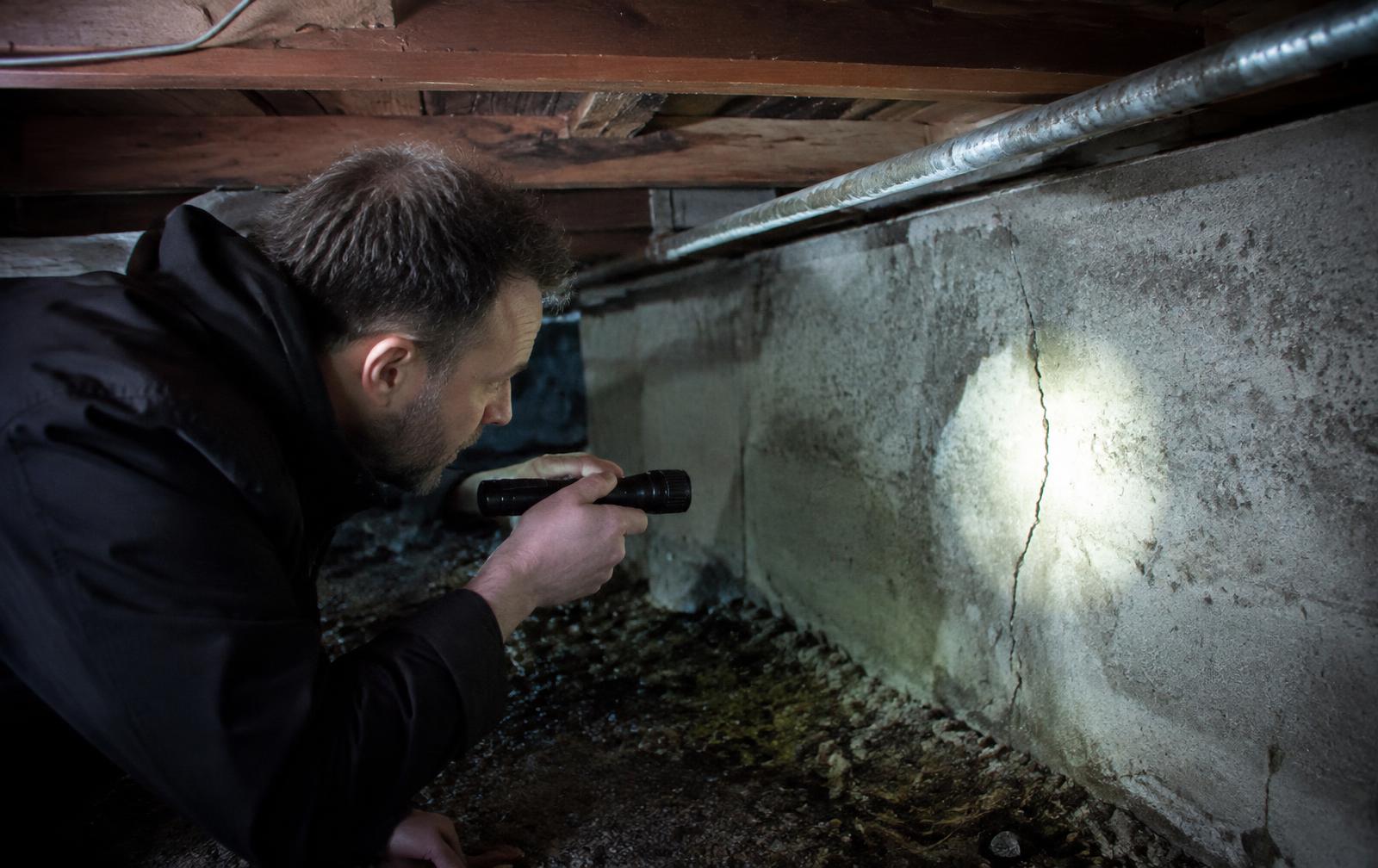
Structural risk
Buying a house with foundation issues in the Seattle area: risks, inspections and negotiation.

Mortgage options
Alternatives to a 30-year fixed mortgage for Washington buyers.
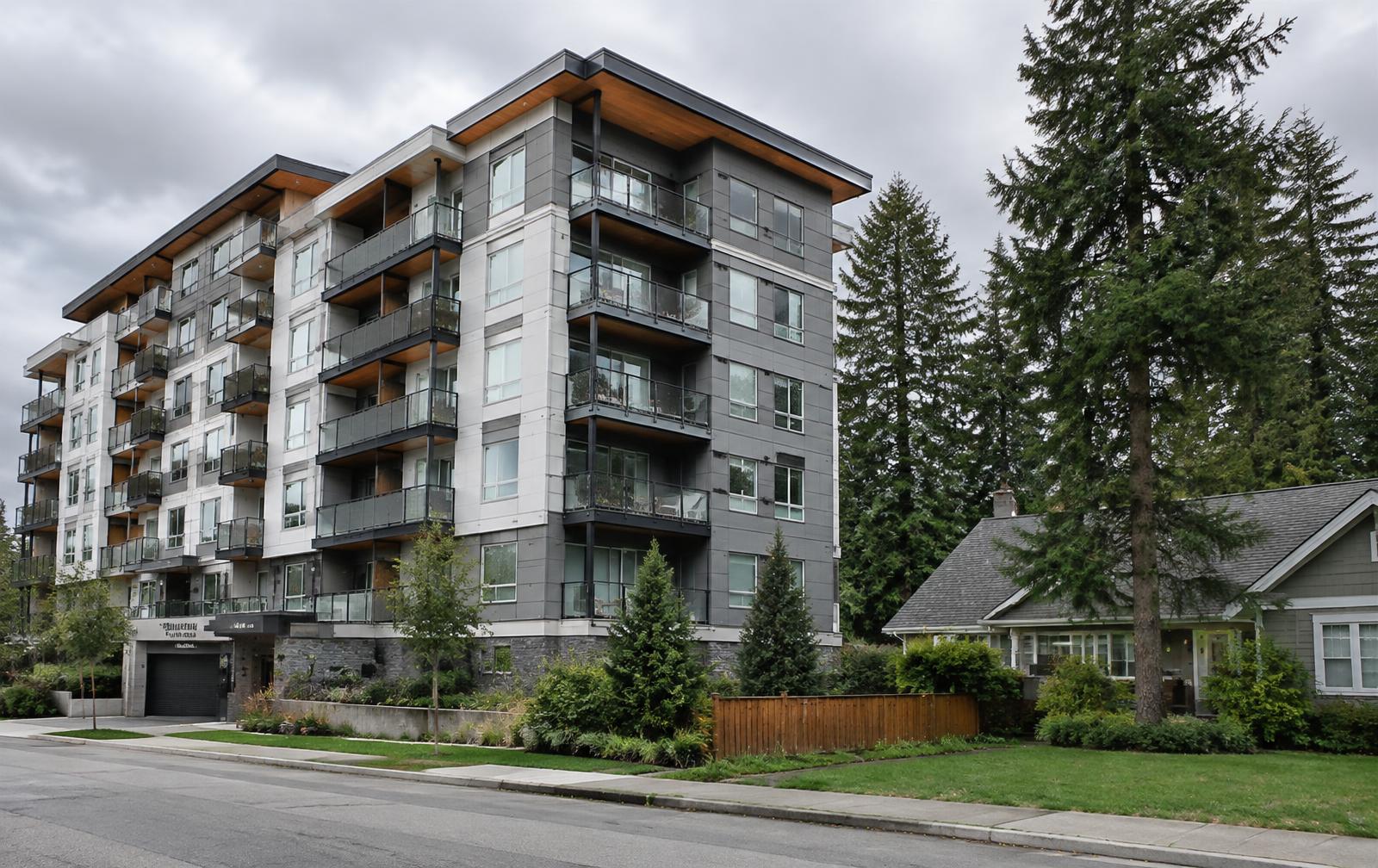
Property type decision
Condo vs single-family home: which holds up better as a long-term investment on the Eastside?

Rankings & best-of lists
Best places to live in the Seattle area, ranked — and how to read every ranking.
Selling an inherited home
Selling a parent's house in probate in Washington: authority, taxes and timing.

Concessions & credits
Seller concessions and seller credits: limits, price reduction vs credit, and repair trade-offs.
Final walkthrough
Final walkthrough checklist for Washington buyers — resale homes and new construction.
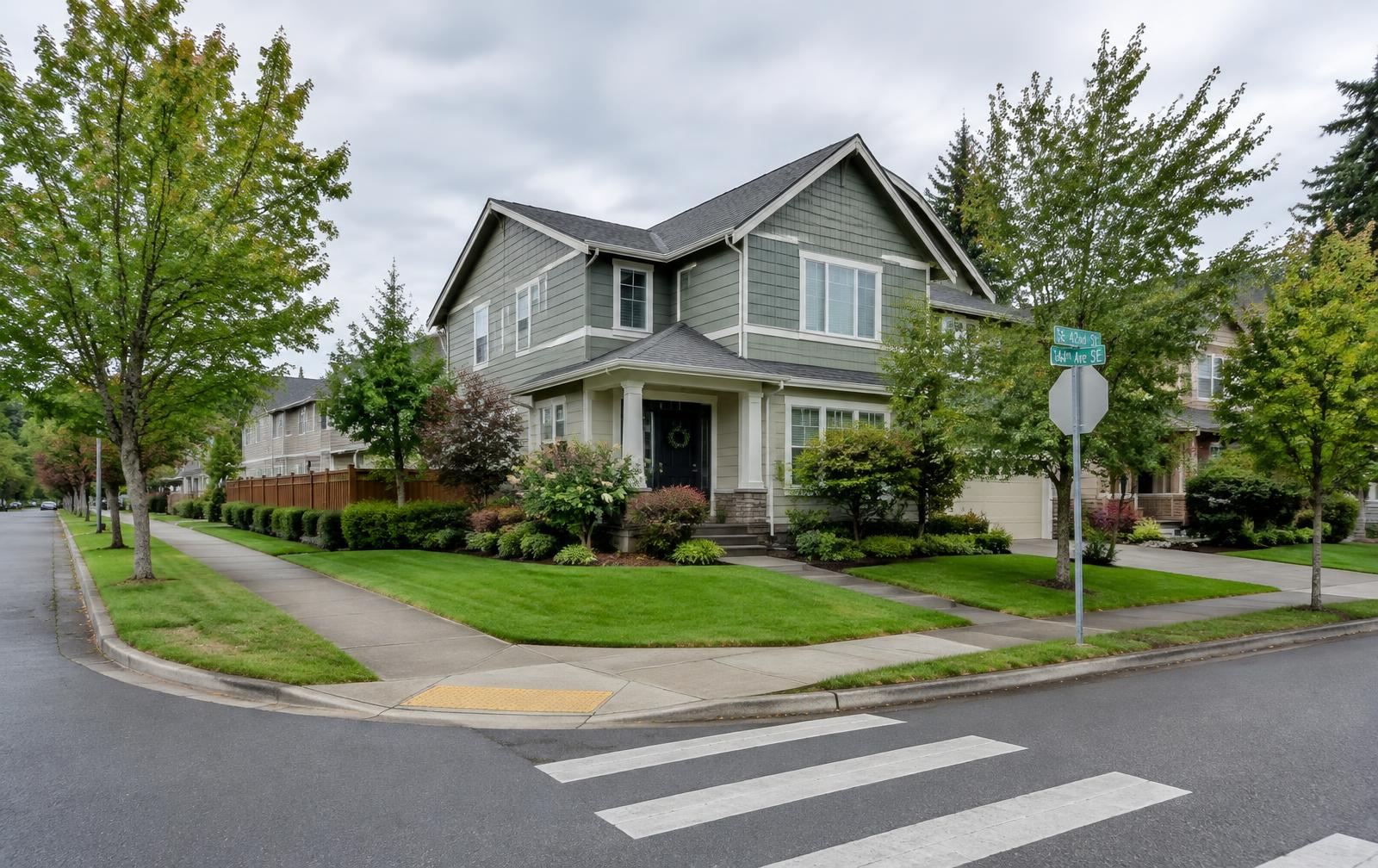
Lot & location trade-offs
Corner lot pros and cons, and living near a school: what Seattle-area buyers should weigh.
Related articles
Found work without a permit?
We pull the permit history with you, line up the right specialist and help you decide whether to price it, fix it or walk away.
Review a property with us