
Selling an inherited home
Selling a parent's house in probate in Washington: authority, taxes and timing.
Selling a parent's home is a legal process and a family process at the same time. Before any listing, someone must have the legal authority to sign, the title company must accept that authority, and the heirs need a shared plan for repairs, belongings and price. This hub walks through the Washington-specific steps and the decisions families most often get stuck on.

Quick answer
In Washington, the person who can sell is usually the personal representative appointed by the superior court; with nonintervention powers under RCW 11.68 they can generally sell without separate court approval of the sale. If the home was held in a trust, the successor trustee signs instead. Inherited property usually receives a stepped-up tax basis to its value at the date of death (IRC §1014), which often reduces capital gains for heirs who sell soon after. If there is a reverse mortgage, HUD rules generally let heirs pay off or sell for the lesser of the loan balance or 95% of the appraised value, within set deadlines. Confirm authority with the title company before signing a listing agreement.
RCW 11.68
nonintervention powers that let a personal representative sell without court confirmation
IRC §1014
stepped-up basis for inherited property, measured at date of death
95%
of appraised value — HUD's payoff option for heirs on a reverse mortgage (HECM)
Questions this hub answers
- selling a house in probate
- selling parents house
- step up in basis inherited property
- heirs selling inherited property wa
- reverse mortgage after death heirs
- siblings disagree on selling inherited house
- personal representative sell house washington
Selling an estate home, step by step
- 01
Confirm who can sign
Probate: the court-appointed personal representative (letters testamentary or letters of administration). Trust: the successor trustee with a certification of trust. Joint tenancy with right of survivorship may transfer outside probate.
- 02
Order a preliminary title report
The title company will say exactly which documents it needs — letters, death certificate, trust certification, heirs' consents — before closing can happen.
- 03
Secure and insure the house
Tell the homeowner's insurer the house is vacant; many policies limit coverage on vacant homes. Keep utilities on for showings and to prevent freeze damage.
- 04
Get a date-of-death value
An appraisal or broker opinion as of the date of death documents the stepped-up basis your tax preparer will need.
- 05
Agree a family plan in writing
Who decides on repairs, belongings, price and timing — and how proceeds are split. Disagreements later delay the sale more than any market factor.
- 06
Prepare, list and disclose
Personal representatives selling estate property may be exempt from completing Form 17 under RCW 64.06.010, but known material defects still matter. Ask your attorney before relying on an exemption.
Who signs, and what the title company will ask for
| How the home was held | Who can sell | Typical documents | Court involvement |
|---|---|---|---|
| Will, probate opened | Personal representative | Letters testamentary, death certificate | Low if nonintervention powers granted |
| No will, probate opened | Administrator (personal representative) | Letters of administration, death certificate | Low to moderate |
| Revocable living trust | Successor trustee | Certification of trust, death certificate | Usually none |
| Joint tenancy with survivorship | Surviving owner | Death certificate, recorded affidavit | Usually none |
| Reverse mortgage (HECM) on title | PR or trustee, with lender payoff | Due-and-payable notice, payoff, appraisal | Plus HUD servicer deadlines |

Checklist
Estate sale document checklist
- Certified death certificates (order several).
- Letters testamentary / administration, or certification of trust.
- Copy of the will or trust and any amendments.
- Date-of-death appraisal or broker price opinion.
- Mortgage, HELOC or reverse mortgage statements and payoff requests.
- Insurance policy with vacancy notice confirmed.
- Written agreement among heirs on price, repairs and belongings.
- Attorney and CPA contacts for estate tax and capital gains questions.
Selling a parent's house FAQ
Can you sell a house while it is in probate in Washington?
Yes. A personal representative with nonintervention powers can usually list and sell without separate court approval of the sale. Without those powers, the court may need to confirm the sale. The title company will confirm what it needs.
Do heirs pay capital gains on an inherited house?
Federal capital gains are usually measured from the stepped-up basis at the date of death, so a sale soon after often produces little gain. Washington also has its own estate tax for larger estates. Ask a CPA about your specific numbers.
What happens to a reverse mortgage when the parent dies?
The loan becomes due. Under HUD rules heirs can generally keep the home by paying the lesser of the loan balance or 95% of the appraised value, sell it, or hand it back; servicers set deadlines that can be extended in some cases.
What if siblings cannot agree on selling?
The personal representative has the authority to act for the estate, but family conflict slows everything. Put decisions in writing early; if co-owners deadlock outside probate, a partition action is a last resort.
Related guides
Other topic guides

Family transfers
Gift of equity and selling a home to a family member in Washington.

Title & closing
Selling a house with a lien in Bellevue and Greater Seattle.
Land value
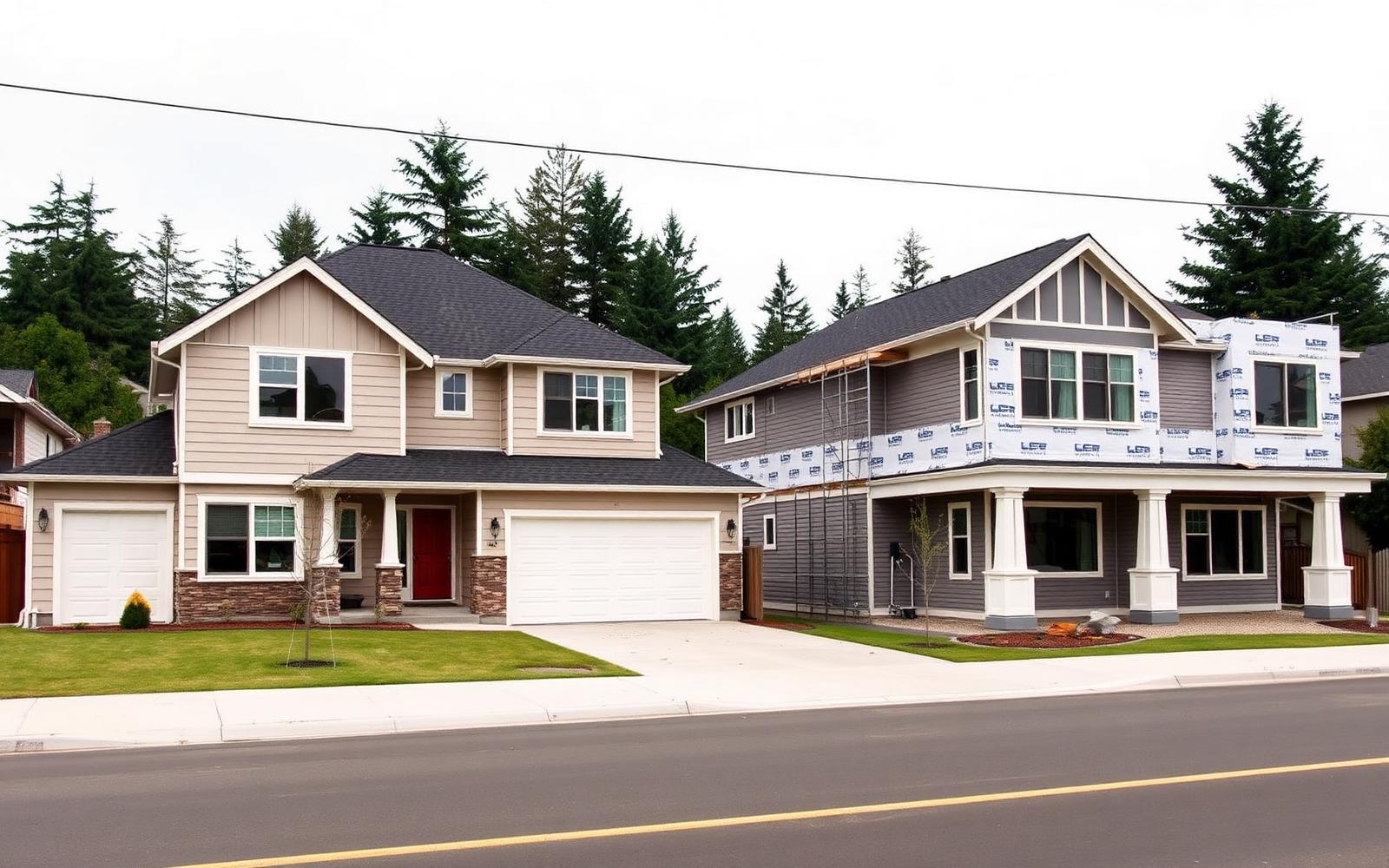
Selling an older Eastside home to a builder: land value vs. retail sale.

Visa & foreign buyers
Buying a home in Bellevue as a foreign national or visa holder.

Tech relocation
Moving to Bellevue for a tech job: rent first or buy now?

Schools & addresses
Buying by school assignment in the Bellevue School District.

Waterfront & unique homes
How to price a waterfront or one-of-a-kind home.

Listing problems
How to cancel a listing agreement and change agents.

Building & financing
Construction loans for self-employed and small business owners.

Land & lot value
Should you split a double lot before selling it?

Water & site risk
Flood zone, creek and drainage checks before you buy.

Landlords & investors
Selling a rental property to your current tenant.

Choosing an agent
How to choose a real estate agent in Seattle and on the Eastside.

Interview & review
Questions to ask before hiring — and how to tell if your agent is doing a good job.
Fees & commission
Who pays realtor fees in Washington — and what an agent actually keeps.

First-time buyers
Buying your first home in Washington State — including without a US credit history.

Home value
How to get an accurate home value estimate in Bellevue, Redmond and West Bellevue.
Investment property
Buying an investment property on the Eastside: returns, rules and the numbers to run.

Listing presentation
Staging and listing photos: virtual staging, AI edits and what buyers trust.
Stalled listings
Your house is not selling: what to change, and whether to pause the listing.
Seller options
Instant cash offer vs listing your home: how to compare them properly.
Due diligence
Easements, shared driveways and recorded restrictions: check before you buy.

Buyer strategy
Competing with all-cash offers as a financed buyer on the Eastside.

List price strategy
Pricing below market, offer review dates and how many showings to expect.

Offers and negotiation
What counts as a low-ball offer — and how to counter without losing the deal.
Inspection negotiation
Home inspection negotiation in Washington: repair requests, credits and difficult sellers.
Solar homes
Buying a house with solar panels: owned vs leased, transfers and price drops.

Selling while living there
Selling a house while living in it: showings, kids, pets and the stress of selling.

Buying and selling at the same time
Home sale contingencies in Washington: buying a house contingent on selling yours.
Contract cancellation
Can you back out of buying a house before closing in Washington?
Seller disclosure
Washington's Form 17 seller disclosure: what buyers and sellers need to know.
Structural risk
Buying a house with foundation issues in the Seattle area: risks, inspections and negotiation.

Mortgage options
Alternatives to a 30-year fixed mortgage for Washington buyers.
Property type decision
Condo vs single-family home: which holds up better as a long-term investment on the Eastside?

Rankings & best-of lists
Best places to live in the Seattle area, ranked — and how to read every ranking.

Concessions & credits
Seller concessions and seller credits: limits, price reduction vs credit, and repair trade-offs.
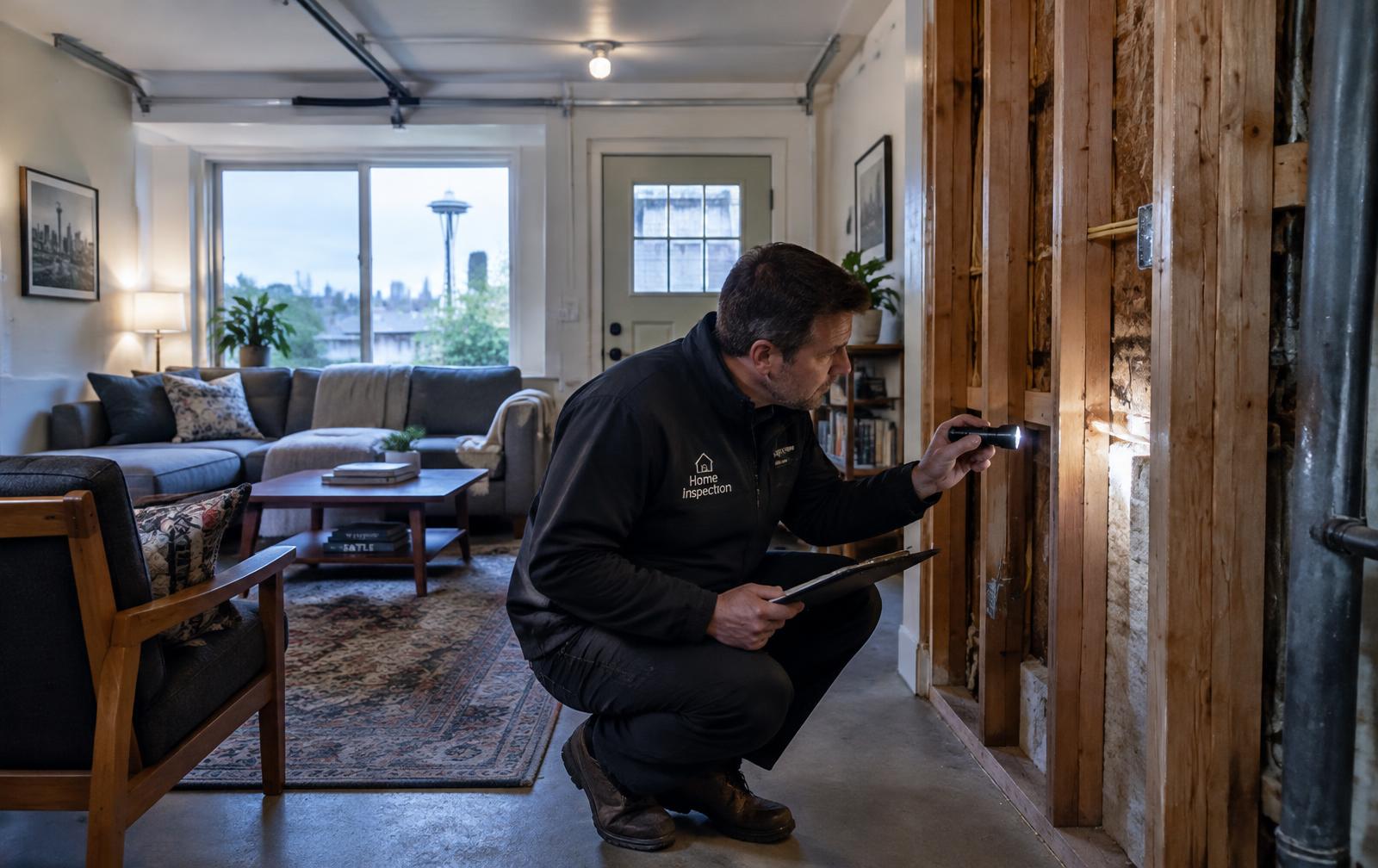
Permits & unpermitted additions
Buying a house with unpermitted work in Seattle and the Eastside: how to check permits and price the risk.
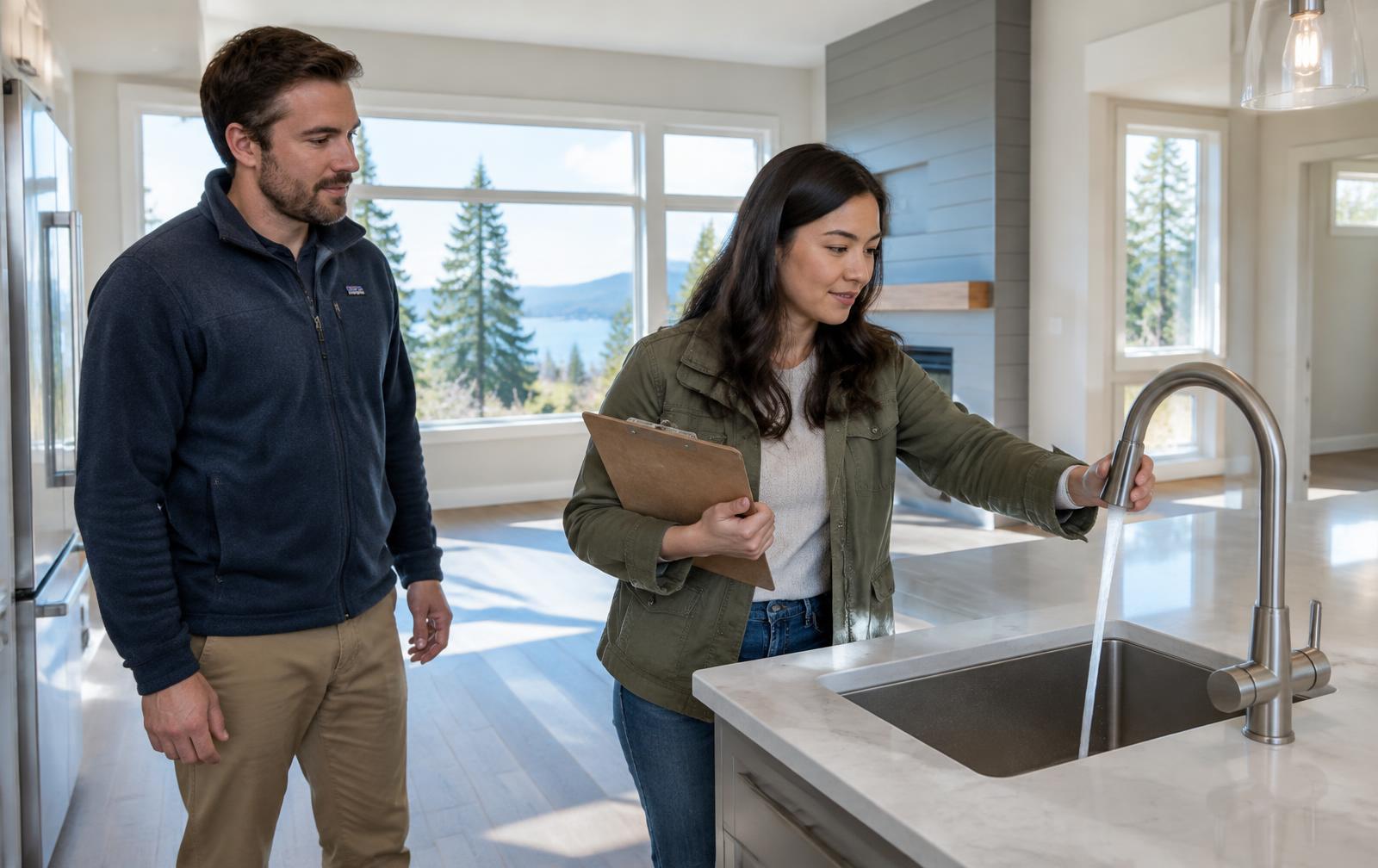
Final walkthrough
Final walkthrough checklist for Washington buyers — resale homes and new construction.
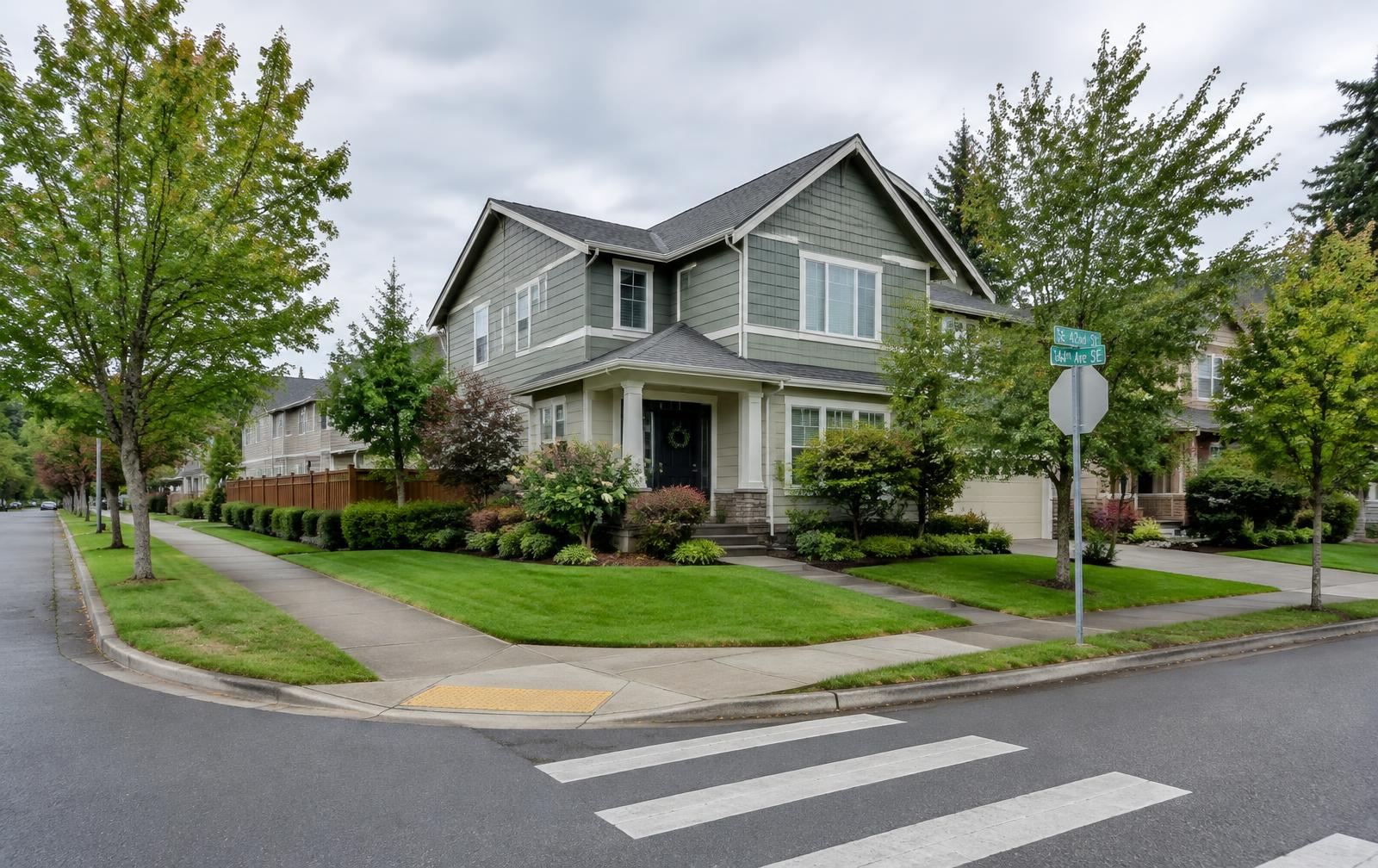
Lot & location trade-offs
Corner lot pros and cons, and living near a school: what Seattle-area buyers should weigh.
Related articles
Selling a parent's home?
We coordinate with your attorney and title company, handle vacant-home showings and prepare the house for market — in English or Mandarin.
Talk to the team