
Buyer services
Buy the right home in Greater Seattle.
Private, bilingual buyer representation across Bellevue, Seattle, and the Eastside — from your first showing to the day you get the keys.
The process
Four steps from first call to closing day.
A clear, calm, no-pressure path — designed around your timeline, not ours.

- 01
Discovery consult
We start with a private consult — budget, timeline, must-haves, schools, commute, and lifestyle. In English or Mandarin.
- 02
Curated search
Live MLS access plus off-market network. You see the right homes first — not every home.
- 03
Offer & negotiation
Data-backed pricing, escalation strategy, and clean contingencies designed to win without overpaying.
- 04
Inspection to keys
Vendor coordination, inspection negotiation, appraisal, financing, closing — we handle every step to keys.
Know your options
The four home types you'll compare on the Eastside.
Ownership, monthly carrying cost, and resale liquidity differ sharply by property type. Here is how each one actually works before you tour.
Single-family
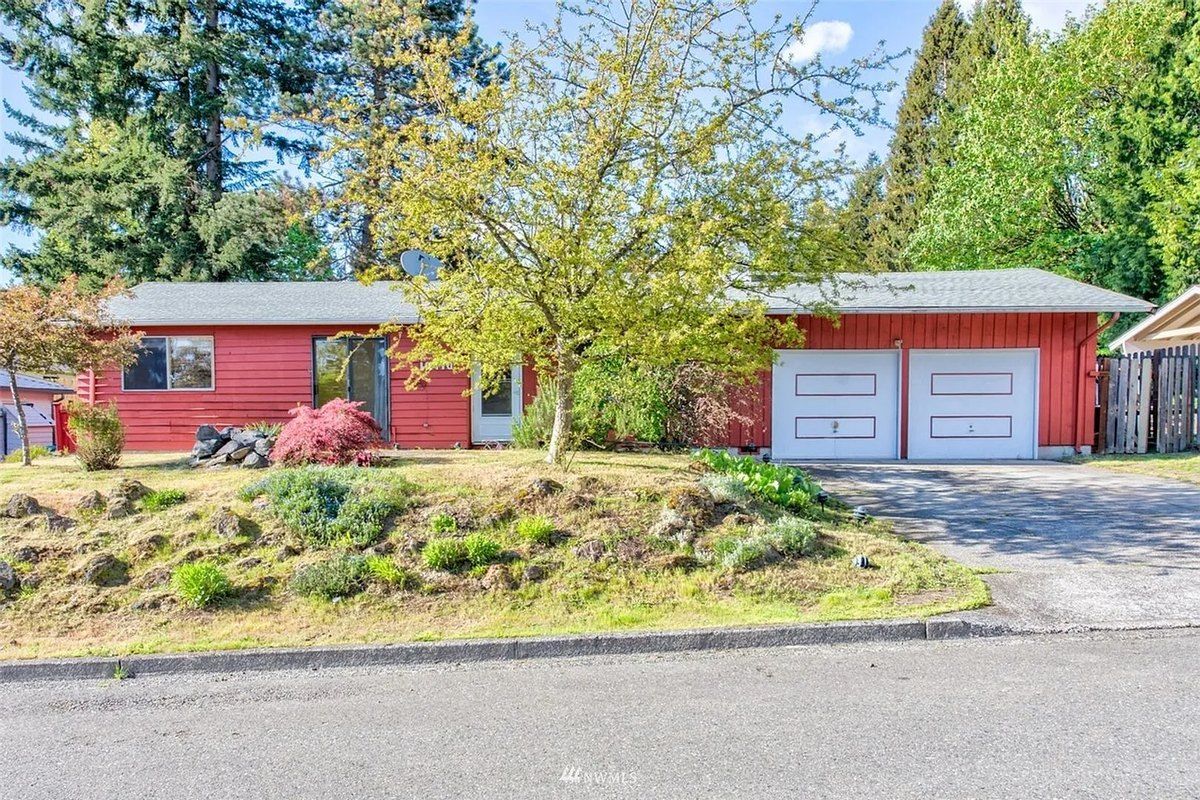
A standalone home on its own lot. You own the interior, exterior, and land, and you carry all maintenance and landscaping. The most privacy and space, and typically the strongest resale — at the highest cost.
Townhouse
A multi-level home attached in a row. You own the interior plus part of the exterior, share walls with neighbors, and pay HOA dues for common areas. A middle path between condo pricing and house privacy.
Condominium
A unit inside a larger building. You own the interior; land, hallways, and amenities are owned collectively. Monthly HOA dues cover exterior upkeep, insurance, and shared services — read the reserves and rules before you offer.
Multi-family
Duplexes, triplexes, and small apartment buildings with separate units. You can live in one unit and rent the rest, which is why this is the most common entry point for buyers who want the property to help pay for itself.
Market snapshot
What buyers are actually facing right now.
Greater Seattle is not one market. A twelve-day median in Redmond and a thirty-day median in a Seattle condo tower demand entirely different offer strategies. These are the numbers we plan against, refreshed each month from Northwest MLS closed sales and cross-checked with Redfin market data.
| Market | Median price | Median days on market | Year over year | What it means for you |
|---|---|---|---|---|
| Bellevue | $1.62M | 12 days | +4.8% | West Bellevue and Bridle Trails carry the top end; Crossroads and Factoria remain the entry lanes. |
| Seattle | $985K | 18 days | +2.1% | Condo inventory is the loosest it has been in three years; single-family in Ballard/Wallingford still moves fast. |
| Redmond | $1.31M | 10 days | +5.4% | Microsoft campus demand keeps Education Hill and Overlake competitive nearly year-round. |
| Kirkland | $1.38M | 11 days | +3.9% | Waterfront and Juanita command premiums; Totem Lake offers newer construction at lower entry. |
| Sammamish | $1.55M | 13 days | +3.2% | Lake Washington School District pull; larger lots than comparable Bellevue price points. |
| Issaquah | $1.19M | 14 days | +4.1% | Issaquah Highlands newer builds; the valley offers the Eastside's better value per square foot. |
Cash to close
Every dollar, before you write an offer.
Most buyer stress is not about price — it is about not knowing what is due, and when. Here is the full Washington-state picture, in the order the money actually leaves your account.
Earnest money
1–3% of price
Within 2 business days of mutual acceptance
Held in escrow and credited back to you at closing. In competitive Eastside offers, 3–5% signals seriousness.
Down payment
5–20%+
At closing
20% avoids mortgage insurance. Jumbo loans above the King County conforming limit often want 20–25%.
Inspection
$600–$1,200
Inspection period
Sewer scope and, for older homes, an oil-tank check are separate. Budget for both on pre-1975 houses.
Appraisal
$800–$1,500
Financing period
Lender-ordered. Jumbo files sometimes require two independent appraisals.
Closing costs
1.5–3% of price
At closing
Escrow fee, title insurance, recording, prepaid taxes and insurance. Washington has no buyer transfer tax.
Financing & offer strategy
Winning without overpaying.
In a market where good Eastside listings still draw multiple offers, the difference between buyers is rarely budget. It is preparation. These are the four things we settle before your first offer goes out.
Get a real pre-approval, not a pre-qualification
A pre-qualification is a conversation. A pre-approval means a lender has pulled credit, reviewed income documents, and issued a letter an listing agent will actually trust. On the Eastside, an offer without underwritten pre-approval is frequently set aside before it is read.
Know your escalation ceiling before you write
Escalation clauses win homes when they are paired with a clear, defensible cap. We set that cap against closed comparable sales — not against emotion — so you never win a home and lose the appraisal.
Understand appraisal gap exposure
If you escalate above the appraised value, the difference is cash out of pocket. We quantify that exposure in writing before submitting, so you know your true worst case, not just your best case.
Foreign national and relocation financing
Buyers without U.S. credit history have real options — portfolio lenders, asset-based qualification, and larger down payment programs. We introduce you to lenders who write these loans every week rather than once a year.
International & relocating buyers
Buying from outside the U.S.
A significant share of our clients purchase before they ever set foot in Seattle. We've built a specific playbook for remote buyers, covering everything from live video tours to international tax considerations.

- 1
There is no restriction on non-U.S. citizens or non-residents buying residential property in Washington State — no special permit, no ownership cap.
- 2
FIRPTA is a withholding mechanism, not a tax. It applies when a foreign person sells U.S. property; the buyer's escrow withholds a portion of gross sale price against the seller's eventual tax liability. It does not affect you when you are the buyer, but it matters at your future resale, so plan the ownership structure early.
- 3
Remote closings are routine. Documents can be signed abroad before a U.S. consular officer or an approved remote online notary, and funds wired to escrow directly.
- 4
Property tax is assessed by King County and varies materially by city and levy district. Two homes at identical prices in different cities can differ by thousands per year.
Myth vs. fact
Three beliefs that quietly cost buyers money.
These come up in nearly every first consultation. Correcting them early usually changes both the timeline and the budget.
Myth: you need 20% down
Fact: a 20% down payment has not been required for decades. Many loan programs go as low as 3% down as long as the loan stays under the conforming limit for the county — the trade-off is mortgage insurance, not disqualification.
Myth: you must use the lender who preapproved you
Fact: preapproval is a starting point, not a commitment. Shop lenders early for a better rate. Switching after you are under contract is riskier and must be disclosed to the seller's agent, so compare before you write the offer.
Myth: waiting for prices to drop is the safe play
Fact: waiting has its own cost. Prices may not fall, a bottom can take years to form, and rents keep rising while you wait. The right question is whether the monthly payment and your holding period work — not whether you can time the bottom.
Frequently asked
Buyer Q&A.
Where do I start if I want to buy a home in Washington State?+
Start with a short consultation before you tour anything. In 30 minutes we map your budget, timeline, financing status, and the cities that actually fit your commute and school needs, then send you a written plan. Buyers who begin with a plan instead of open houses write far stronger offers later — book a call and we will build yours in English or Mandarin.
Do I need a mortgage pre-approval before we start looking?+
Not for the first conversation, but yes before serious touring. A fully underwritten pre-approval tells you your real budget and tells listing agents your offer will close, which matters when several buyers compete for the same home. We introduce two or three local lenders and review the letter with you before your first showing.
How much cash do I actually need to buy?+
Plan for three buckets: earnest money (typically 1–3% of price, due within days of mutual acceptance and credited back at closing), your down payment, and closing costs such as lender fees, title, escrow, and prepaid taxes and insurance. We build a cash-to-close worksheet with your own numbers before you write an offer, so nothing is a surprise.
What are the steps from touring homes to closing?+
Consultation and financing, home search and tours, offer and mutual acceptance, inspection, appraisal plus title and HOA document review, loan underwriting, final walkthrough, then closing and keys. Most purchases run 30–45 days from mutual acceptance to closing. You get a written timeline at the start so you always know what comes next.
What does an agent check for when we tour a home?+
Beyond layout and finishes we look at what costs money later: drainage and grading, roof and siding age, signs of past water intrusion, permit history on additions, the health of the HOA, and how the location will affect resale. We tell you what is a negotiating point, what is a reason to walk away, and what is simply normal for a home of that age.
I found a home I love — what happens next?+
We pull comparable sales, review the seller disclosure plus any pre-inspection or title report, then decide price, contingencies, escalation, and closing date together. The offer is drafted, signed electronically, and presented with a lender call to the listing agent. When timing matters, all of that can happen within a few hours.
Which contingencies protect me in a purchase contract?+
The common ones are inspection, financing, appraisal, title and HOA document review, and sometimes the sale of your current home. Each is a defined right to renegotiate or exit within a deadline. Waiving contingencies to win a bidding war raises your risk, so we explain exactly what each waiver exposes you to before you sign.
What if the inspection finds problems?+
You generally have three options inside the inspection period: ask the seller to repair, ask for a credit or price reduction, or terminate and recover your earnest money. We review the report with you, get contractor estimates where the numbers matter, and negotiate from real repair costs rather than a wish list.
What happens if the appraisal comes in below the purchase price?+
The lender only lends against the appraised value, so the gap has to be covered — by you in cash, by a price reduction, or by splitting the difference. We can also challenge the appraisal with stronger comparables. This is exactly why we discuss appraisal risk before you write an aggressive offer.
What do I need to do before and on closing day?+
Before closing: keep your finances unchanged, sign at escrow, wire funds only with verified instructions, and complete the final walkthrough. On closing day the deed records with the county and you receive keys once recording is confirmed, usually the same afternoon. We confirm each step with you as it happens.
Do you still help after closing?+
Yes. We hand off vetted vendors for repairs, remodeling, and property management, answer the first property-tax and insurance questions, and send an annual value update on your home. Most of our business comes from past clients, so the relationship does not end at the closing table.
Ready to start?
Let's find your home.
Whether you're six months out or ready to tour today, a discovery call is the best first step.